We live for the thrill of the open road and the untamed trails. That's why we're excited to break down the 2.4L turbocharged i-FORCE 4-cylinder engine found in the latest Toyota Tacoma models (starting from 2024). This powerhouse replaces the old V6, bringing turbo technology to the midsize truck segment for better performance without sacrificing Toyota's legendary durability. Whether you're a weekend warrior or a daily driver, let's explore its reliability, driveability, fuel economy, and any known issues or recalls as of early 2026.
Engine Overview and Specifications
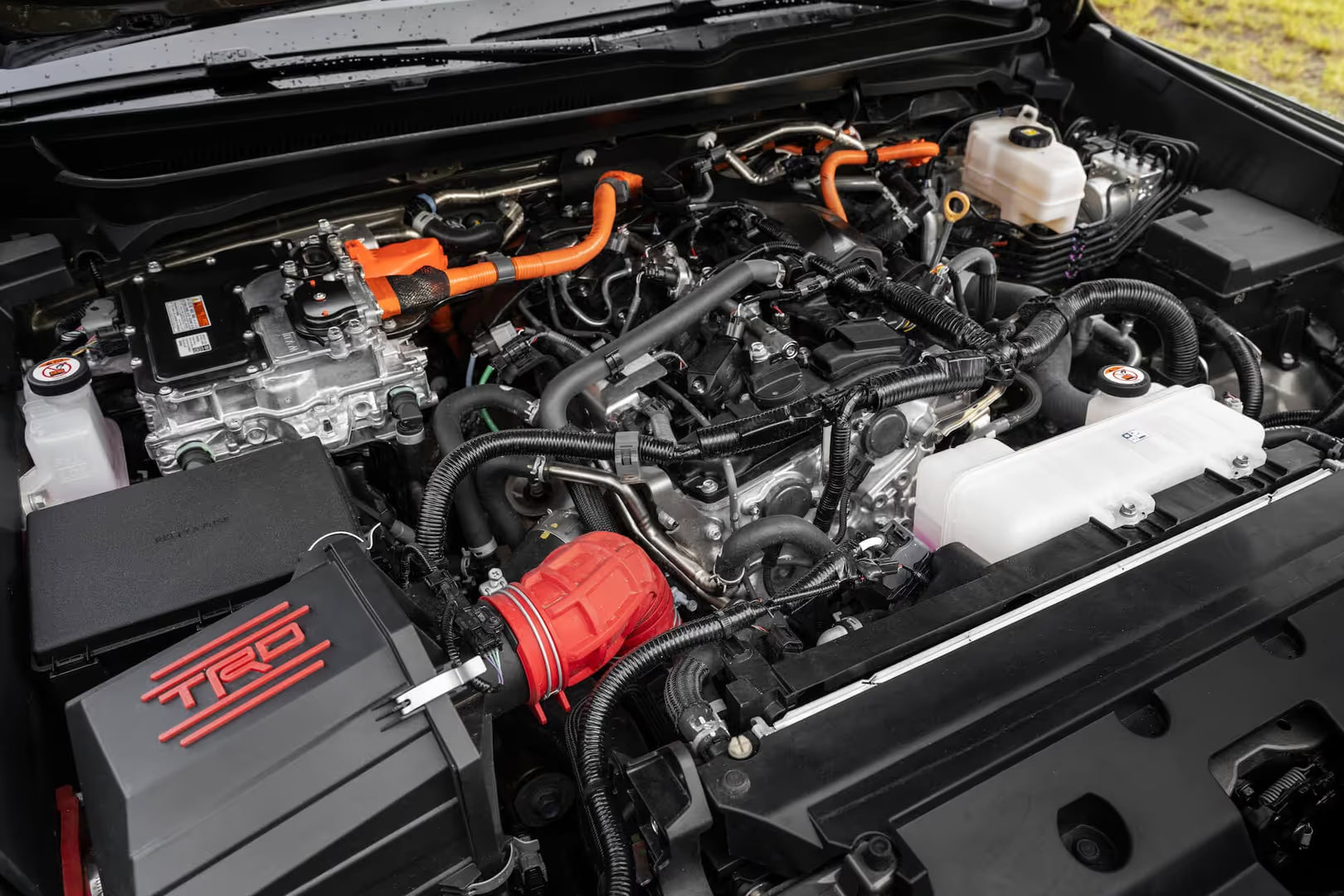
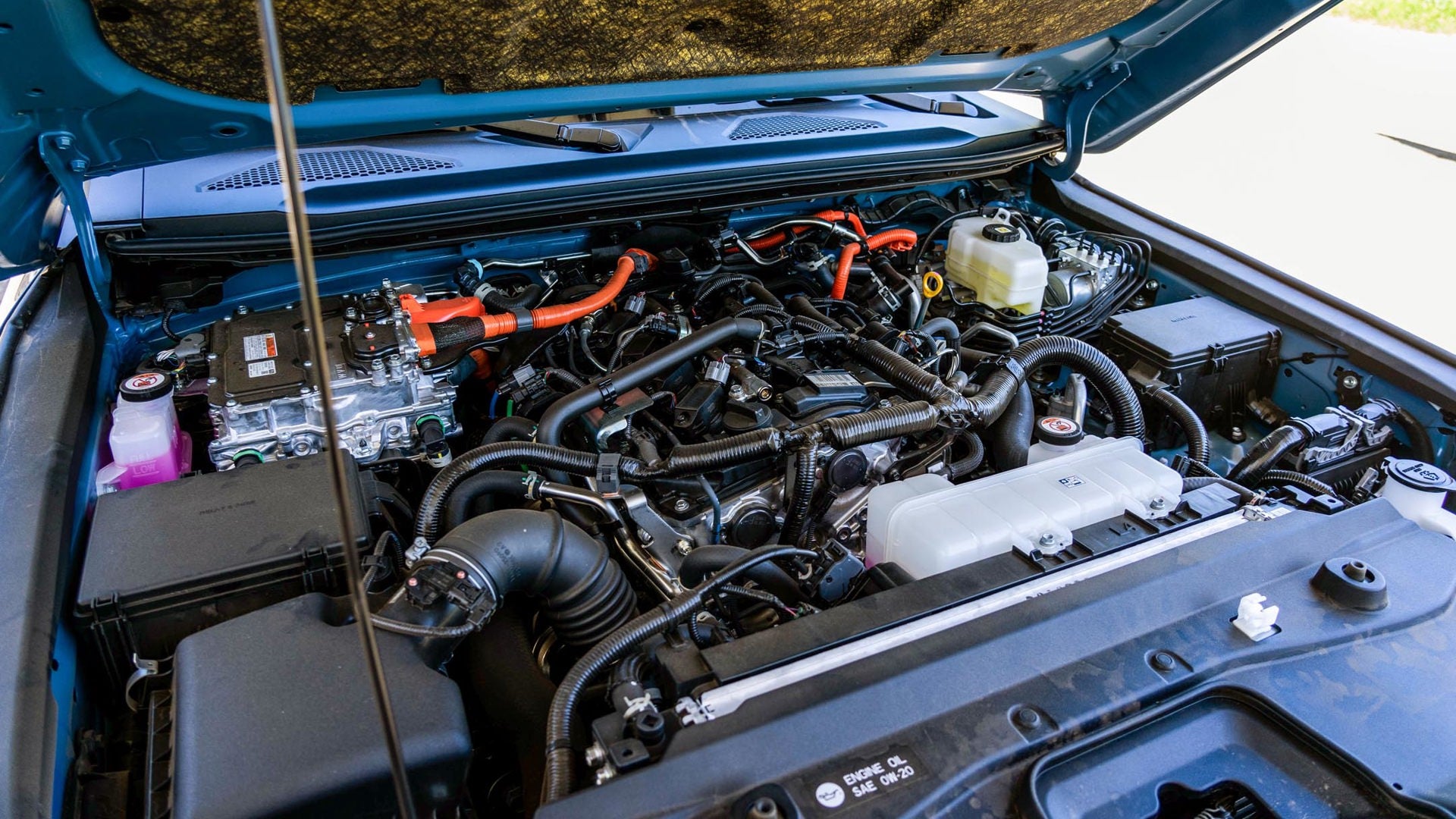
The 2.4L turbocharged i-FORCE engine is Toyota's modern take on power delivery, blending a gasoline four-cylinder with a turbocharger to squeeze out impressive stats. It's available in standard and hybrid (i-FORCE MAX) variants, the latter integrating an electric motor for extra punch.
- Horsepower and Torque: The base version outputs up to 278 horsepower and 317 lb-ft of torque (slightly less with the manual transmission at 270 hp and 310 lb-ft). The i-FORCE MAX hybrid ramps it up to 326 horsepower and a whopping 465 lb-ft of torque, making it ideal for towing or off-road climbs.[30]
- Transmission Options: Pair it with an 8-speed automatic for smooth shifts or a 6-speed manual (with intelligent rev-matching on select trims) for that hands-on feel.
- Key Features: Toyota engineered this engine for quick acceleration and strong low-end torque, thanks to the turbo. It's built on a shared platform with larger siblings like the Tundra, emphasizing a stiffer frame for better handling and ride quality.[31]
This setup marks a shift from the naturally aspirated V6 of previous generations, aiming for more efficiency while maintaining Toyota's focus on adventure-ready performance.
Driveability: Responsive and Ready for the Trail
One of the standout aspects of the 2.4L i-FORCE is how it feels behind the wheel. Drivers report a lively response that's a clear upgrade over the old Tacoma's engine. The turbo provides seamless power delivery, especially in the low- and mid-range RPMs, where you need it most for merging on highways or navigating rocky paths.
- On-Road Performance: In Sport mode, throttle response sharpens, making the truck feel agile and engaging. The 8-speed automatic transmission is praised for its intelligent gearing, avoiding the sluggishness of the prior 6-speed.[32] Testers note it never feels strained, even when loaded or climbing hills.
- Off-Road Prowess: For off-road enthusiasts, the torque helps lug through obstacles without downshifting constantly. Models like the TRD Off-Road and Trailhunter shine here, with the engine's boost allowing confident recovery in tough spots.
- Hybrid Variant: The i-FORCE MAX adds electric assist for instant torque, enhancing driveability in stop-and-go traffic or low-speed crawling. Overall, reviews describe it as "smooth" and "powerful," with plenty of grunt for daily use or weekend escapes.[8][9]
If you're outfitting your Tacoma for battle-born adventures, this engine's driveability makes it a reliable partner for long hauls in our durable hoodies and cargo pants.
Fuel Economy: Efficient for a Truck
Fuel efficiency has improved with the turbo setup, though it's still a truck at heart. EPA estimates vary by trim, drivetrain, and whether you opt for the hybrid, but real-world tests align closely.
- Non-Hybrid Models: Expect 18-21 mpg city, 23-26 mpg highway, and 20-23 mpg combined. For example, the SR5 trim hits 21/26 mpg, while off-road-oriented versions like the TRD Off-Road dip to 18/23 mpg due to tires and gearing.[30][32]
- i-FORCE MAX Hybrid: This bumps efficiency to 22-23 mpg city and 24 mpg highway, with combined figures around 22-24 mpg. One tester recorded 21.7 mpg in mixed driving, slightly above Toyota's claims.[1]
- Real-World Insights: Factors like off-road tires can shave 1 mpg off estimates, but overall, it's a step up from the previous Tacoma's 18-20 mpg combined. For long trips across Nevada's vast landscapes, this means fewer fuel stops and more time enjoying the ride.
Compared to rivals like the Chevy Colorado or Ford Ranger, the Tacoma holds its own, especially in hybrid form, balancing power with thriftiness.
Reliability: Toyota's Strong Suit with Some Questions
Toyota's reputation for reliability is well-earned, and early data on the 2024 Tacoma suggests the 2.4L i-FORCE fits the bill. Consumer Reports predicts above-average reliability for the model year, ranking it higher than peers.[19] RepairPal gives it a 4 out of 5 rating, with a 3-year/36,000-mile basic warranty backing it up.[0]
The chief engineer has emphasized rigorous testing for longevity, drawing from Toyota's experience with turbo engines in other models.[2] Owners report minimal issues in the first 10,000-20,000 miles, with the engine holding up well under stress. However, some concerns stem from similar turbo tech in the Tundra, where early turbo failures were noted – though these haven't widely materialized in the Tacoma yet.[5][7] As with any new engine, long-term data (beyond 100,000 miles) is still emerging, but Toyota's track record bodes well.
Known Issues and Recalls
No vehicle is perfect, and the 2024-2025 Tacoma has faced a few hurdles. As of January 2026, there are three official recalls, primarily non-engine related:
- Brake Recall: Affecting certain 4WD models with 16-inch brakes and 17-18-inch wheels, due to potential issues with brake components. Toyota expanded this recall in early 2025, impacting over 100,000 units.[21][23][28]
- Rear Axle Issue: Welding debris could cause retaining nuts to loosen, leading to vibrations or part separation.[26]
- Transmission Problems: Not a full recall, but a Technical Service Bulletin (TSB) addresses rough shifting or failures in early units. Reports indicate this affects a small percentage, often fixed under warranty.[3][12][17]
Engine-specific issues are rare for the Tacoma, with no widespread failures reported. Some owners mention minor turbo lag or software glitches, but these are isolated.[13][16] Toyota has been proactive with fixes, so check your VIN on their recall site for updates.[20]
Keep reading
Toyota 1GR-FE 4.0 V6 Engine Guide: Specs, Problems & Reliability
The 1GR-FE is Toyota's 4.0L (3,956cc) aluminum V6 with a timing chain. It powered the 2003–2024 4Runner, 2005–2015 Tacoma, 2007–2014 FJ Cruiser and 2005–2009 Tundra V6. Early engines are single VVT-i (236–245 hp); the 2010+ 4Runner and FJ got dual VVT-i with roller rockers (258–270 hp). It is one of Toyota's most durable V6s, with 250,000+ miles common. The real known issues are an early front timing cover oil leak, occasional head gasket seepage at high mileage, and secondary air injection pump failures on later trucks.
iForce MAX Hybrid Explained | 4th Gen Tacoma
Toyota's iForce MAX pairs a 2.4L turbo with a 48-hp electric motor for 326 hp and 465 lb-ft. Standard on TRD Pro and Trailhunter. Full specs and owner takes inside.
Magnuson Supercharger 3rd Gen Tacoma | Build Guide
The Magnuson TVS1900 supercharger turns a 3rd Gen Tacoma 2GR-FKS V6 into a 370+ HP truck. Kit details, install overview, dyno numbers, and what to expect on and off road.
Toyota 3RZ-FE Engine Guide: 2.7L Specs, Reliability, Tacoma Power
Toyota 3RZ-FE 2.7L four-cylinder: factory specs, horsepower, valve adjustment, common problems, upgrades and the Tacoma and 4Runner models it powered.